Guests · November 2026
Bengali, Punjabi, Gujarati and Marathi Weddings at a Glance: The Rites Guests Will See
In short
Each community has its own signature moment. In Bengali weddings the bride is carried seven times round the groom (saat paak) before the first look (shubho drishti) and the sindoor daan. Punjabi weddings have the chooda and kalire, the night-time jaggo and the groom's ghodi. Gujarati couples take four mangal pheras before the seven steps, and Marathi couples marry behind an antarpat cloth.
All four of these weddings share the Hindu core: a sacred fire, the giving of the bride and a set of vows. Punjabi Sikh families marry by the Anand Karaj, around the Guru Granth Sahib, while sharing most of the same celebrations. What makes each wedding feel different are the signature moments around the core, and those are the ones guests remember. This guide sets them side by side so that a guest knows what to watch for and a couple from two communities can see where their families' customs meet. Every family adapts, so treat it as a map rather than a rule book.
Bengali weddings
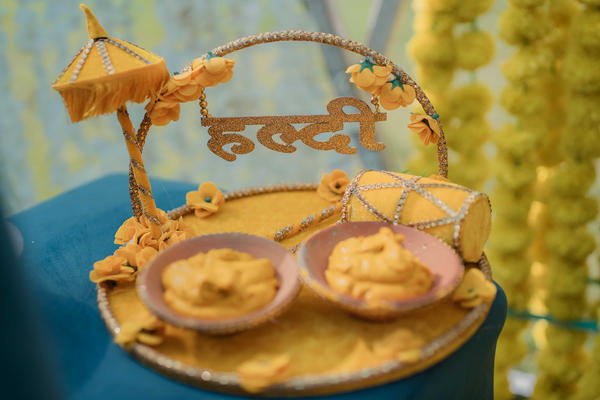
A Bengali wedding begins with food and turmeric. At the aiburobhaat, the last rice meal as unmarried, the bride or groom is fed an elaborate spread, often with fish, by their family. On the wedding morning comes the gaye holud, turmeric on the body: the groom's family send turmeric from his home to the bride's, with decorated gifts called tattwa, typically fish, sweets and clothes, valued for their artistry rather than their cost. The groom wears the topor, a conical white crown of pith given by the bride's family, and the bride a matching mukut. In traditional families the bride's mother does not watch the ceremony itself.
The ceremony has the most photographed moment of any Indian wedding. In saat paak the bride, seated on a low wooden stool called a pidi, is lifted by her brothers and carried seven times around the groom, her face hidden behind two betel leaves. When they set her down she lowers the leaves and the couple look at each other: the shubho drishti, the auspicious first look. They exchange garlands at the mala badal, she is given away at the sampradan, and they offer puffed rice into the fire in khoi porano. Finally the groom applies sindoor to her parting with a konke, a small rice measure, in the sindoor daan.
After the wedding come the Bengali homecoming rites. At bou boron the bride is welcomed at the groom's home: water is poured under the car, milk is boiled over to signal plenty, and she steps in alta, a red dye mixed with milk, leaving footprints read as Lakshmi's. The next day, at bhat kapor, the groom gives her a sari and a plate of food, promising to provide for her. One or two days after the wedding his family host the bou bhat, the bride's feast, a reception for both families and their friends. In some homes it is also the first meal she eats in her new house.
Punjabi weddings
A Punjabi wedding runs on music and family. In the days of maiyan before the wedding, traditionally three to ten, the couple stay home, a red thread is tied on their wrists, and relatives rub them with vatna, a paste of turmeric, mustard oil, barley flour and curd. The bride's maternal uncle gives her the chooda, red and ivory bangles, and her aunts, sisters and friends tie on kalire, dangling gold or silver ornaments. Whoever she shakes a kalira over and hits is, by saying, next to marry. The night before, the jaggo, meaning wake up, sees the women parade with lamps on a pitcher, singing through the neighbourhood.
On the wedding day the Punjabi groom is bathed in water fetched by the women of the family, dressed, and his sister ties the sehra, a chaplet that veils his face, over his turban. His sisters feed and dress the mare at ghodi chadhna, and a young sarbala rides with him. At the venue comes the milni, relation by relation, with garlands and shagun gifts, then the varmala, where the bride traditionally garlands first. The wedding is the Anand Karaj or the pheras, depending on the family's faith. The bride's sisters hide the groom's shoes, and at the doli she throws rice over her head as she leaves.
Gujarati weddings
A Gujarati wedding is marked by four rounds and a dance. At the mandap the bride's mother welcomes the groom with a tilak, and in the madhuparka her parents wash his feet and offer him panchamrut, a drink of milk, curd, ghee, honey and sugar. The bride's father gives her away, the couple's garments are knotted, and they take four mangal pheras, which one common account links to dharma, artha, kama and moksha, duty, prosperity, love and liberation. Then come the seven steps, the mangalsutra and sindoor. Before the baraat leaves, the groom's sister may wave coins in a cloth over his head to ward off the evil eye.
Marathi weddings
A Marathi wedding opens with a cloth. On the eve comes the seemant poojan, a ritual worship before the wedding. At the ceremony an antarpat, a silk cloth, is held between bride and groom while the priests sing the mangalashtak, the Marathi wedding blessing verses. At the end it is lowered and the couple see each other as bride and groom. They tie sanctified threads on each other's wrists, kankana bandhane, and complete the Vedic rites, walking around the sacred fire seven times. The bride may wear the nauvari, the traditional nine-yard sari, though many younger brides now choose a five-yard drape. In cities an evening reception closes the day.
| Community | Signature rites | What guests notice | How many days |
|---|---|---|---|
| Bengali | Aiburobhaat, gaye holud, saat paak, shubho drishti, mala badal, sindoor daan, bou bhat | The bride carried round the groom behind betel leaves; the groom's white topor | Usually three or more: the eve, the wedding, the bou bhat a day or two later |
| Punjabi | Maiyan and vatna, chooda and kalire, jaggo, sehra, ghodi, milni, joota chupai, doli | The night-time jaggo with lamps; bangles and kalire; the doli | The longest: maiyan traditionally starts three to ten days before |
| Gujarati | Madhuparka, kanya daan, four mangal pheras, saptapadi, mangalsutra and sindoor | Four rounds of the fire, not seven; garba at the sangeet | Varies by family; garba often at the sangeet |
| Marathi | Seemant poojan, antarpat, mangalashtak, kankana bandhane, seven rounds of the fire | The silk cloth lowered at the end of the verses; the nine-yard nauvari | Usually the eve and the wedding day, with an evening reception |
What guests notice, and for how long
For guests, the moments to watch are the saat paak and shubho drishti at a Bengali wedding, the jaggo and the doli at a Punjabi one, the garba, a circle dance from Gujarat that many families fold into the sangeet, and the lowering of the antarpat at a Marathi ceremony. Length varies. A Bengali wedding spans the aiburobhaat, the wedding day and the bou bhat one or two days later. Punjabi celebrations stretch furthest, with maiyan days before the wedding. Marathi families usually need the eve and the wedding day. Dress by function, cover your head at a gurdwara, and follow the invitation.
Common questions
What are the main Bengali wedding rituals?+
Before the wedding come the aiburobhaat, a last rice meal as unmarried, and the gaye holud, turmeric sent from the groom's home. At the ceremony the bride is carried seven times round the groom in saat paak, they share the first look, shubho drishti, exchange garlands, offer puffed rice to the fire, and the groom applies sindoor in the sindoor daan.
What are the traditional Bengali post-wedding rituals?+
Three main ones. Bou boron welcomes the bride to the groom's home, with milk boiled over for plenty and her footprints in alta and milk. Bhat kapor, the next day, has the groom give her a sari and food as a promise to provide. Bou bhat, one or two days after the wedding, is the reception hosted by the groom's family.
Why doesn't the Bengali bride's mother watch the wedding?+
By old custom in traditional Bengali families, the bride's mother does not watch the ceremony itself. Her role is earlier in the day, rising early with the women of the house for the rites that invite blessings for the couple. Many families no longer keep the custom, so ask the bride's family what they prefer before seating guests.
What are Punjabi wedding traditions?+
Before the wedding: maiyan, when the couple stay home and are rubbed with vatna paste; the chooda and kalire for the bride; mehndi; and the jaggo night procession. On the day: the sehra and ghodi for the groom, the milni between families, the varmala, the Anand Karaj or pheras, joota chupai and the doli, the bride's departure.
How many days is a Punjabi wedding?+
Usually several. Traditionally the couple spend maiyan, three to ten days before the wedding depending on local custom, at home, with vatna, chooda, mehndi and the jaggo the night before. The wedding day follows, then the doli and a reception. How many of these days a family keeps is its own choice.
What is a Punjabi wedding called?+
In Punjabi the word for marriage is viah. A Punjabi Sikh wedding ceremony is the Anand Karaj, held before the Guru Granth Sahib, while a Punjabi Hindu wedding centres on the pheras around the sacred fire. Both are surrounded by the same Punjabi functions, such as the chooda, mehndi, jaggo, milni and doli.
What are chooda and kalire?+
The chooda is a set of red and ivory bangles given to the bride by her maternal uncle before the wedding, marking her as a bride. Kalire are dangling gold, silver or gold-plated ornaments tied to the bangles by her aunts, sisters and friends. By Punjabi saying, the unmarried girl hit by a kalira the bride shakes is next to marry.
Why do Gujarati weddings have four pheras?+
Gujarati couples take four mangal pheras around the fire, which one common account links to the four aims of life: dharma, artha, kama and moksha, meaning duty, prosperity, love and liberation. The groom leads three rounds and the bride one. The couple then take the seven steps of the saptapadi, so the seven vows are still part of the wedding.
What is the antarpat in a Marathi wedding?+
A silk cloth held between the bride and groom at the start of a Marathi wedding while the priests sing the mangalashtak, blessing verses sung at Marathi weddings. When the verses end the cloth is lowered and the couple see each other as bride and groom. The Vedic rites, including the seven rounds of the fire, follow.